Water Leak Detection in Plano, TX
Water leak detection in Plano, TX is the process of finding where water is escaping from hidden supply or drain lines. The providers we connect you with use listening devices, pressure tests, and moisture readings to pinpoint leaks inside walls, ceilings, and under slabs. We refer you to local providers so you can start the investigation.
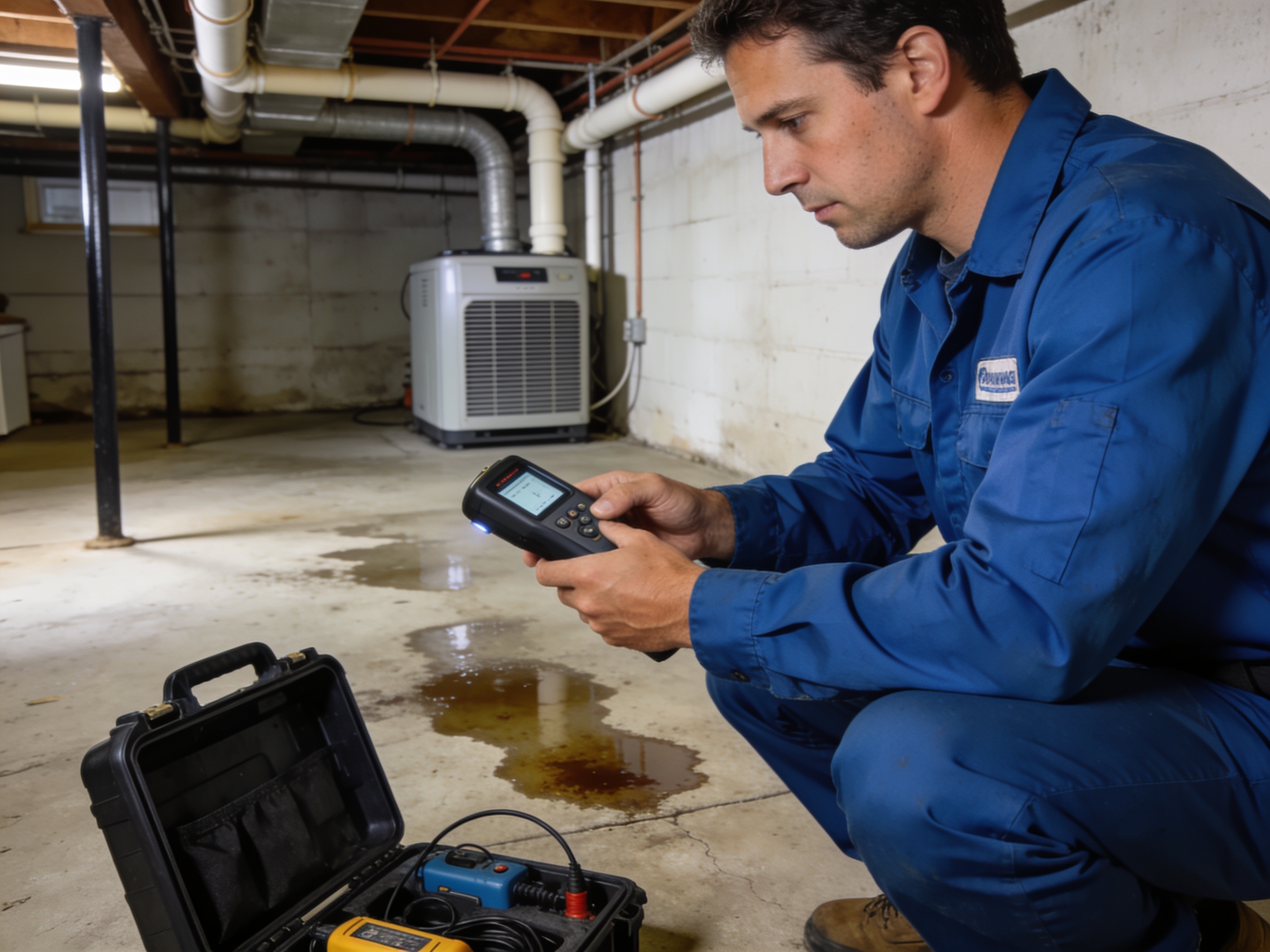
What Water Leak Detection in Plano, TX Covers
Water leak detection in Plano, TX covers the diagnostic work needed to locate a leak before any repair begins. Many leaks are not visible. Water can travel along a pipe run, soak into insulation, or collect beneath flooring long before a stain or soft spot appears. A detection visit focuses on one question: where exactly is the water coming from? That answer determines whether the fix is a simple fitting replacement, a section of pipe, or a larger repair involving a slab or wall opening.
The service applies to both pressurized supply lines that bring clean water into the home and drain lines that carry wastewater out. Supply leaks often show up as a rising water bill, a hissing sound in the wall, or lower water pressure at fixtures. Drain leaks tend to produce odors, slow drains, or damp spots near cleanouts. Each type calls for different equipment and a different sequence of tests, so the provider you are connected with will start by confirming which system is affected.
Detection is also a separate step from repair. Many residents ask whether detection and repair happen in the same visit. In most cases they do not. The detection report identifies the location and likely cause, and you can then decide how to proceed. The providers we connect you with can explain what they found and what options are available, so you can compare the findings before agreeing to any work.
Detection also helps when a leak is suspected but not yet confirmed. Homes can lose water through a slow drip that is too small to see, and that loss may only appear as a gradual change in usage over several billing periods. Providers approach these cases in stages, starting with the simplest tests and moving toward more detailed equipment only when earlier results call for it. This staged approach keeps the work focused and gives you clear information at each step.
Signs Water Leak Detection in Plano, TX Is Needed at Your Home
Several everyday signs point toward a hidden leak. The most common is an unexplained increase in your water bill when household use has not changed. A water meter that keeps moving when every fixture is off is another strong indicator. Warm spots on a tile floor, a musty smell, or peeling paint along a baseboard can also signal water moving where it should not.
Ceilings and walls offer their own clues. A faint brown ring, bubbling paint, or soft drywall below a bathroom or kitchen often means water has been leaking for some time. Cracks that appear in tile or grout near a shower, or a floor that feels spongy underfoot, deserve prompt attention. In some homes, a drain that gurgles or empties slowly may point to a problem in the line beneath the slab.
Outdoor signs matter too. Patches of unusually green or soft grass, pooling water in the yard when the irrigation system is off, or a wet area near the water meter can all suggest a leak underground. Sudden drops in water pressure throughout the home are worth noting as well. If you notice any of these signs, describe them clearly when you contact the providers we connect you with, including where and when you first saw them.
Pay attention to timing as well. Leaks that appear after a cold snap, after a stretch of heavy irrigation, or after plumbing work in the house often have a clear link to that change. Writing down the date you first noticed a symptom helps the provider connect it to the most likely causes.
How Water Leak Detection in Plano, TX Is Carried Out Step by Step
A typical detection visit follows a clear sequence. The first step is an interview. The technician asks about your symptoms, when they started, recent plumbing work, and any changes to your water usage. Good notes at this stage narrow the search and reduce the time spent opening walls later.
Step two is a visual inspection of accessible areas. The provider checks under sinks, around the water heater, at the water meter, and along exposed piping. They look for corrosion, drips, staining, and loose connections. Next comes a pressure test, where the system is isolated and monitored for changes over a set period. A drop in pressure with no visible water indicates a leak somewhere in the isolated section.
Step three uses listening and moisture equipment. Electronic listening devices pick up the sound of escaping water through concrete or wall material. Moisture meters and, where appropriate, thermal imaging map damp areas and temperature differences that point to the source. Step four narrows the location and confirms it, often by marking the spot on the floor or wall. Step five is a written summary of the findings, the suspected cause, and recommended next steps. Each step builds on the last, so the process moves from general to precise.
Throughout the visit, a good provider explains each finding as it happens. You should be able to ask questions, see the readings on the equipment, and understand why a particular area was tested. If the leak location becomes clear early, the technician can skip unnecessary steps. If results are unclear, they should say so and explain the next test rather than guessing.
Sub-services Within Water Leak Detection in Plano, TX
Water leak detection in Plano, TX includes several sub-services, and the right one depends on where the symptoms appear. Slab leak pinpointing is used when water may be escaping beneath the foundation. It relies on acoustic listening and pressure testing to find the line before any concrete is disturbed. This is one of the most common reasons residents request detection in this region.
Wall and ceiling leak tracing covers supply and drain lines hidden inside finished surfaces. Providers use moisture mapping and small access openings to find the leak with minimal disruption. Water heater and fixture leak checks focus on connections, valves, and appliances that may be dripping out of sight. Water meter and service line checks look at the main connection between the street and the home.
Irrigation line leak detection is a separate sub-service for yards. Zones are tested one at a time to find breaks in buried sprinkler lines. Drain line camera inspection uses a small camera fed through a cleanout to view the interior of a drain, which helps locate cracks, root intrusion, or sagging pipe. Each sub-service can stand alone, or the provider may combine several when the symptoms point to more than one source.
What's Included in Water Leak Detection in Plano, TX
What's included in water leak detection in Plano, TX depends on the scope you agree to with the provider. A standard visit typically includes an initial conversation about your symptoms, a visual inspection of accessible plumbing, and a pressure test of the affected system. Equipment used during the visit, such as listening devices and moisture meters, is part of the diagnostic work.
A complete report usually lists the leak location, the likely cause, the pipe material where it can be identified, and photos or notes showing the findings. Good reports also describe any risks, such as water damage behind walls or under flooring, and explain which repairs would address them. You should receive this information before any repair is approved.
Some items are usually outside the detection scope. Repairs, pipe replacement, opening walls or slabs for repair, restoration of flooring or drywall, and landscaping replacement are separate services. Whether a provider includes access work in the visit should be confirmed in writing before the visit begins. Ask the providers we connect you with to explain exactly what is covered, what is not, and what happens if the leak is found in a location that requires further access.
Plano Home Conditions, Prevention, and Next Steps for Water Leak Detection
Local conditions shape how leaks develop in Plano homes. Much of North Texas sits on expansive clay soil that swells when wet and shrinks when dry. As the soil moves, it can stress foundations and buried supply lines, which is one reason slab leaks show up in the region. Long dry spells followed by heavy rain can increase that movement, so changes in soil moisture around the foundation deserve attention.
Hot summers also place demands on plumbing and irrigation systems. Outdoor watering schedules, sprinkler zones, and water heaters all work harder during long stretches of heat. Many homes in fast-growing parts of the city were built in different eras, and older lines may be nearing the end of their service life. Materials, installation methods, and age vary from one neighborhood to the next, so each home should be assessed on its own conditions.
Prevention starts with routine habits. Check your water meter when all fixtures are off to see whether it moves. Watch your bill each month for unexpected increases. Keep irrigation heads clear and adjust watering to the season. Look under sinks and around the water heater every few months for moisture or corrosion. Keep the soil around the foundation evenly watered during dry months to limit movement. If you notice warning signs, contact a provider early.
Keep records of your findings. Save the detection report, photos, and any water bills that show a pattern. This documentation helps when comparing repair options, discussing coverage with your insurer, or planning future maintenance. It also gives any later provider a clear starting point. Next steps are simple: describe your symptoms, note when they began, and request a detection visit through the providers we connect you with.
Signs That Point to a Hidden Leak at Your Plano Home
Some water leaks announce themselves with a stain on a ceiling or a damp patch on the carpet. Many others stay quiet inside walls, under slabs, or along buried supply lines. Plano households often notice warning signs first: a water meter that keeps moving when every faucet is off, a sudden rise in monthly water use, a warm spot on a floor, or the sound of running water when nothing is in use.
When you see any of these signs, note when they started and where you noticed them. Photos and a simple list of observations help the providers we connect you with understand the situation before they arrive. Shutting off fixtures and checking the meter at a quiet moment can also help you confirm whether water is still flowing.
What Happens During a Leak Detection Visit
The providers we connect you with typically begin by asking questions about the symptoms you have seen and reviewing the layout of the property. From there, they may use listening devices, pressure tests, or moisture readings to narrow down where water is escaping. The goal is to locate the source with as little disruption to finishes and landscaping as possible.
Ask each provider to explain the method they plan to use, what areas may need access, and how they will document their findings. A clear written summary of what was found and where helps you decide on next steps, whether that is repair, further testing, or a second opinion. Each provider sets its own process, so compare explanations rather than assuming they are identical.
Questions about Water Leak Detection in Plano, TX
How do I know if I need water leak detection in Plano, TX?
Common signs include a rising water bill without higher use, a water meter that moves when fixtures are off, damp spots, musty odors, or soft flooring. If you notice these signs, describe them to a provider so they can plan the right tests for your home.
Does water leak detection in Plano, TX include repairs?
Usually not. Detection identifies where the leak is and what may be causing it. Repairs are separate work, and the providers we connect you with can explain your options after the findings are shared with you.
Can a slab leak be found without breaking up the concrete?
Often the location can be narrowed first. Providers use acoustic listening devices and pressure tests to identify the likely area before any concrete is opened. Confirmation may still require limited access, and the provider will explain that approach before starting.
What affects how long a detection visit takes?
The length depends on how many areas need testing and how accessible the piping is. Providers can describe the expected steps during the initial conversation, but we cannot promise a visit length in advance because every home is different.
What should I prepare before a provider arrives for detection?
Write down your symptoms, when they started, and where you notice water. Note any recent plumbing work or irrigation changes. Clear access to the water meter, water heater, and cleanouts so the provider can begin work without delay.
This Water Leak Detection page covers the neighborhoods listed in the areas section of this site.