Underground Pipe Repair in Plano, TX
Underground pipe repair in Plano, TX fixes buried water, sewer, and drain lines that have cracked, shifted, or leaked beneath a home's foundation or yard. The providers we connect you with locate the failure, expose or reroute the damaged section, and restore service with appropriate materials. Describe your symptoms to request a visit from a local provider.
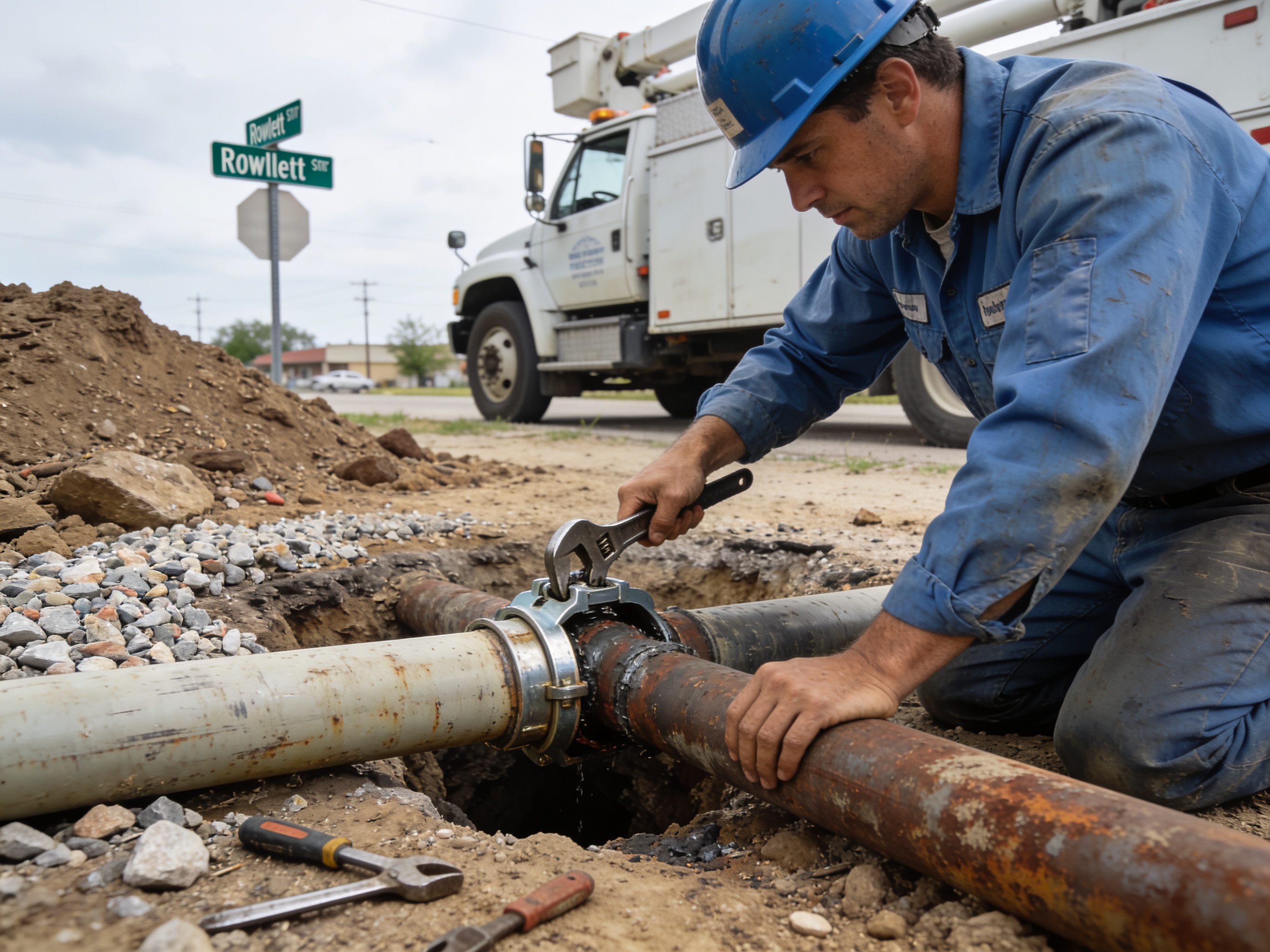
Sub-services Within Underground Pipe Repair Plano, TX Projects
Underground pipe repair covers the buried supply and drain lines that carry water into a property and waste out of it. In Plano, that usually means the main water line running from the meter to the house, the sewer lateral connecting the home to the city main, and branch drain lines under slabs or yard beds. Each can fail for different reasons, so the right approach depends on which line is affected and where it runs.
Sub-services commonly grouped under this heading include spot excavation and point repair of a single cracked section, full replacement of a run of old pipe, and trenchless options such as pipe lining or pipe bursting where a line is renewed through existing access points. Other sub-services include cleanout installation or relocation so future service is easier, leak detection that pinpoints a break before any digging starts, and backfill and surface restoration that returns the yard to its prior condition.
The providers we connect you with may offer some or all of these options. A good provider will explain which method fits your pipe material, depth, and layout, and will say when a limited repair is reasonable versus when a longer run needs replacing. Ask which sub-services are included in the scope you are considering so there are no surprises about what the work covers.
When comparing options, consider how long the repair is expected to last, how much of the yard will be disturbed, and whether the method suits the pipe material already in the ground. Some sub-services work well for isolated damage, while others make more sense when several sections show age or repeated failure.
Signs Underground Pipe Repair in Plano, TX Is Needed
Buried pipe problems often show up indirectly before anyone sees water on the surface. A water bill that rises without a clear change in use is one of the most common early clues. Other indicators include a water meter that keeps moving when every fixture is off, soggy or unusually green patches in the lawn, and sinking or cracking in driveways, walkways, or patio slabs above a suspected line.
Inside the home, watch for slow drains that affect several fixtures at once, gurgling toilets, sewage odors near floor drains or in the yard, and backups that recur after normal use. Low water pressure throughout the house can point to a restricted or leaking supply line. Mold or musty smells near ground-level walls and warm or damp spots on floors above a slab can suggest hidden water.
These signs can overlap with other issues, such as irrigation leaks, roof drainage, or clogs closer to the fixtures. Plano's ground moves seasonally, so a crack in a line can also be caused by shifting soil rather than age alone. Because waiting usually allows a small leak to spread, it is reasonable to describe what you have noticed to a local provider and ask for an inspection rather than guessing at the source yourself.
If you notice several of these signs at once, treat the situation as a priority. Simultaneous symptoms inside and outside the home often indicate a line leaking in more than one place, and early attention usually keeps the scope smaller and the restoration simpler.
Step-by-Step Underground Pipe Repair Plano Process
Most underground pipe jobs follow a predictable sequence, although the details vary with the line and the property. The first step is a conversation about symptoms, the age of the home, and any prior repairs. The provider then confirms the problem, usually with a camera inspection for drain lines, or with a pressure test or electronic locating for water lines.
Second, the provider marks the affected path and determines the depth and material of the pipe. Third, if digging is needed, the work area is cut and protected, and utility lines are located before excavation so other services are not damaged. For sewer and drain work, a provider may clear the line first so the camera can show its condition clearly.
Fourth, the damaged section is removed or the pipe is repaired using an approved fitting or a new run, then joined and tested under pressure before anything is covered. Fifth, the trench is backfilled in layers and compacted, and the surface is restored as agreed, such as reseeding turf or replacing a section of concrete. Last, the provider feedback the work with you, shows where the repair is located, and explains any follow-up such as watering or monitoring the water meter over the next few days.
Throughout the process, the provider should explain what they find as they go. If the pipe is in a different condition than expected, you should hear about it before the scope changes, and any change should be described in writing so you can decide how to proceed.
What's Included in Underground Pipe Repair Plano, TX Work
What's included depends on the written scope the provider gives you before work begins. A complete underground pipe repair scope usually lists the diagnostic method used, the exact section of pipe being repaired, the materials and fittings planned, the testing performed, and how the site will be restored. Asking for this in writing helps you compare what different providers propose.
Typical inclusions are locating or camera work, excavation and protective measures, removal of damaged pipe, installation of new pipe and fittings, pressure or flow testing, backfill and compaction, and basic surface restoration. Some scopes also include permit handling where a municipal permit is required, cleanout access, and removal of debris from the work site.
Items that are often outside a standard scope include landscaping beyond basic restoration, hardscape rebuilt to its original design, interior drywall or flooring repairs, and treatment of mold or water damage. Those may be handled by other trades, and the providers we connect you with can say which items they handle directly. Read the scope closely so you know what is covered and what is not before you agree to anything.
Ask about warranties, workmanship terms, and material brands in writing, and confirm whether each term comes from the provider or from a material manufacturer. Clear written terms make it easier to understand what happens if a question comes up after the job is complete.
Underground Pipe Repair Plano Homes Face Due to Local Soil
Plano sits on clay-rich soil typical of the Blackland Prairie region of North Texas. Clay expands when wet and shrinks when dry, which puts repeated stress on buried pipes and on the slabs they run beneath. During long dry spells or after heavy rains, movement can crack joints, separate fittings, or bend lines that were sound when first installed.
Homes in the city range from older neighborhoods to newer developments, and older lines may still be galvanized steel, cast iron, or early plastic pipe that has aged differently. Mature trees, large irrigation systems, and nearby root growth can reach into sewer laterals and press against joints. Each of these factors can make a line more vulnerable over time.
Local conditions also affect how the work is done. Access in tight side yards, around fences, and through backyard landscaping can limit where equipment fits. Providers working in Plano typically plan around these constraints, use careful backfill to reduce future settling, and coordinate with residents about irrigation and trees near the repair. Mention your lot layout and any trees or irrigation zones when you describe the problem so the provider can plan accordingly.
Seasonal patterns matter as well. Repairing a line during a very wet or very dry period can change how the trench settles, so providers often discuss timing with you and plan backfill to match. Ask whether the timing of your project affects the restoration plan.
Preventing Underground Pipe Repair Plano Problems and Next Steps
Prevention starts with watching the water meter and monthly bills. Once a month, check the meter with all water off, note the reading, and check it again after an hour; movement suggests a leak. Keep an eye on the yard for new soft spots or unusual plant growth, and note any drain that starts running slower than usual so you can act early.
Protect lines from tree roots by keeping large trees a reasonable distance from sewer laterals and avoiding planting over known pipe paths. Adjust irrigation so the soil is not repeatedly saturated and then dried out, since that cycle increases clay movement. Avoid pouring grease or wipes down drains, and consider periodic cleanout inspections if your home has older sewer lines or a history of backups.
Next steps are simple. Describe what you have noticed, including the age of the home, recent water bill changes, and any visible wet areas. Ask the providers we connect you with for an inspection and a written scope that lists the method, the repair area, and what is included. Compare the scopes side by side, ask questions about anything unclear, and schedule the work when you are satisfied with the plan.
Keep a simple record of the repair, including the date, the location of the repaired section, photos of the site before and after, and the written scope. This record helps any future provider understand the history of the line and speeds up diagnosis if a new problem appears.
What Happens When We Connect You With a Provider
When you contact us about a suspected underground pipe problem in Plano, we listen to what you are seeing and pass the details along to the providers we connect you with. We do not perform the excavation or repair work ourselves. Each provider sets its own scope, schedule, and approach after speaking with you directly and looking at the property.
Because the providers we connect you with work independently, it is worth asking each one to explain its process in writing before work begins. Useful questions include how they locate the line, what they plan to dig, how they restore landscaping, and what documentation they provide when the job is finished.
Signs an Underground Line May Need Attention
Underground supply and drain lines can fail quietly, so the first clues often appear above ground or on the water meter. Soggy patches in the lawn, unexplained green growth, shifting pavement near a slab, or a meter that keeps moving when every fixture is off can all point to a leak. Slow drains that affect several fixtures at once may also indicate a blockage farther down the line.
Preparing Your Property Before Visits
Before a provider arrives, gather any plumbing records you have, note where the symptoms appear, and clear access to the yard, cleanouts, and meter. Mark sprinkler lines and other buried utilities you know about. Keep pets and children away from open areas, and ask the provider how they plan to protect walkways and planted beds during the work.
Questions about Underground Pipe Repair in Plano, TX
How do I know if my underground pipe needs repair in Plano, TX?
Common signs include a water bill that rises without a clear change in use, a water meter that moves when all fixtures are off, soggy or unusually green patches in the yard, slow drains affecting several fixtures, and cracking in slabs or walkways above a suspected line. A local provider can confirm the cause with an inspection.
Can underground pipe repair be done without digging up the whole yard?
Sometimes. Leak detection can pinpoint a break before digging, and some sewer and water lines can be renewed through existing access points using trenchless methods. Whether that approach fits depends on the pipe material, depth, and layout, so the providers we connect you with will explain which option applies to your property.
Does underground pipe repair in Plano include restoring the yard afterward?
Basic restoration such as backfill, compaction, and reseeding turf is often part of the scope, but this varies. Landscaping beyond basic restoration, rebuilt hardscape, and interior finishes are commonly handled separately. Check the written scope before work begins so you know exactly what the provider will restore.
Why do underground pipes in Plano show damage more often than in some other areas?
Plano's clay-rich soil expands when wet and shrinks when dry, which can stress joints and fittings over time. Tree roots, irrigation patterns, and older pipe materials can add to that stress. Describing your lot layout and any trees or irrigation zones helps a provider plan the repair around these local conditions.
How can I compare underground pipe repair proposals from different providers?
Ask each provider for a written scope that lists the diagnostic method, the exact section of pipe being repaired, the materials planned, the testing performed, and the restoration included. Compare these items side by side, ask about anything unclear, and note which items are excluded so you can judge each proposal on the same terms.
This Underground Pipe Repair page covers the neighborhoods listed in the areas section of this site.